Most small retail stores do not lose money because of one big mistake. They lose money quietly, every day.
One product goes out of stock before anyone notices. Another item sits too long and expires. A staff member sells from memory instead of checking actual quantity. A purchase order is placed even though stock is already available in another location. The owner thinks sales are fine, but money is trapped in slow-moving products.
This is the real cost of poor inventory visibility.
For kirana stores, general stores, small distributors, and growing retail businesses, inventory is not just “stock on a shelf.” It is working capital. Every item has money inside it. If you do not know what is available, where it is stored, how fast it is moving, and when it needs action, your store is already leaking profit.
Real-time inventory tracking helps solve this by giving you a clear, updated view of your stock before problems become expensive.
The Real Problem: You Cannot Control What You Cannot See
Many small stores still manage stock using notebooks, memory, rough estimates, WhatsApp messages, or disconnected billing systems.
That may work when the store is small and the owner personally watches everything. But as the number of products, suppliers, staff members, and storage locations grows, manual tracking starts breaking down.
The problem is simple:
1)You do not know the exact stock quantity.
2)You do not know which location has the item.
3)You do not know what is running low.
4)You do not know what is overstocked.
5)You do not know which products are close to expiry.
6)You do not know whether the system matches the shelf.
By the time the issue becomes visible, the damage may already be done.
A customer may have already left. An item may have already expired. A supplier order may have already been placed unnecessarily. A fast-moving product may have been unavailable during peak sales hours.
Inventory mistakes are not always dramatic. Most of them are small, repeated, and invisible until they affect cash flow.
Stockouts Lead to Lost Sales
Inventory problems are not always the owner’s fault.
Staff members also need clear information. If they do not know where stock is located, what is available, or what needs restocking, mistakes become normal.
A proper inventory system helps staff:
1)check stock faster,
2)bill with more confidence,
3)avoid selling inactive or unavailable products,
4)restock shelves on time,
5)identify low-stock items,
6)reduce dependence on the owner for every small decision.
This matters because a store cannot scale if every decision depends on one person’s memory.
The more the business grows, the more important systems become.
What Real-Time Inventory Tracking Should Include
Not every software that shows stock quantity is enough.
A useful retail inventory system should help with the full stock lifecycle.
Look for features like:
1)current stock visibility,
2)location-wise stock tracking,
3)stock receiving,
4)purchase order management,
5)supplier details,
6)billing-connected stock deduction,
7)low-stock alerts,
8)batch and expiry tracking,
9)stock transfer,
10)write-off tracking,
11)inventory reports,
12)product-level analysis.
These features work best when they are connected. If billing, purchasing, alerts, reports, and stock movement are separate, the store still ends up doing manual reconciliation.
The goal is not just to record inventory. The goal is to reduce confusion and help the owner act faster.
How Arenvera Inventory Helps
Arenvera Inventory is built for stores that need better control over stock, billing, purchases, alerts, reports, and daily operations.
It helps businesses track inventory across store, warehouse, and external locations. It supports the full inventory lifecycle, including product management, supplier details, purchase orders, billing, reports, B2B transactions, alerts, and staff access. It also includes batch-level control with expiry dates and alerts for restocking or transfer actions.
Instead of forcing store owners to depend on scattered tools, registers, and memory, Arenvera brings key operations into one connected system.
For small retailers, this means:
1)clearer stock visibility,
2)fewer stock surprises,
3)better purchase planning,
4)faster billing,
5)improved reporting,
6)better control over daily operations.
Real-time inventory tracking is not just about knowing numbers. It is about making better decisions before losses happen.
Final Thoughts
Small retail losses often hide in plain sight.
They appear as stockouts, expired goods, overstocked shelves, wrong purchase decisions, slow-moving products, and staff confusion. Individually, each mistake may seem small. But together, they affect profit, cash flow, and customer trust.
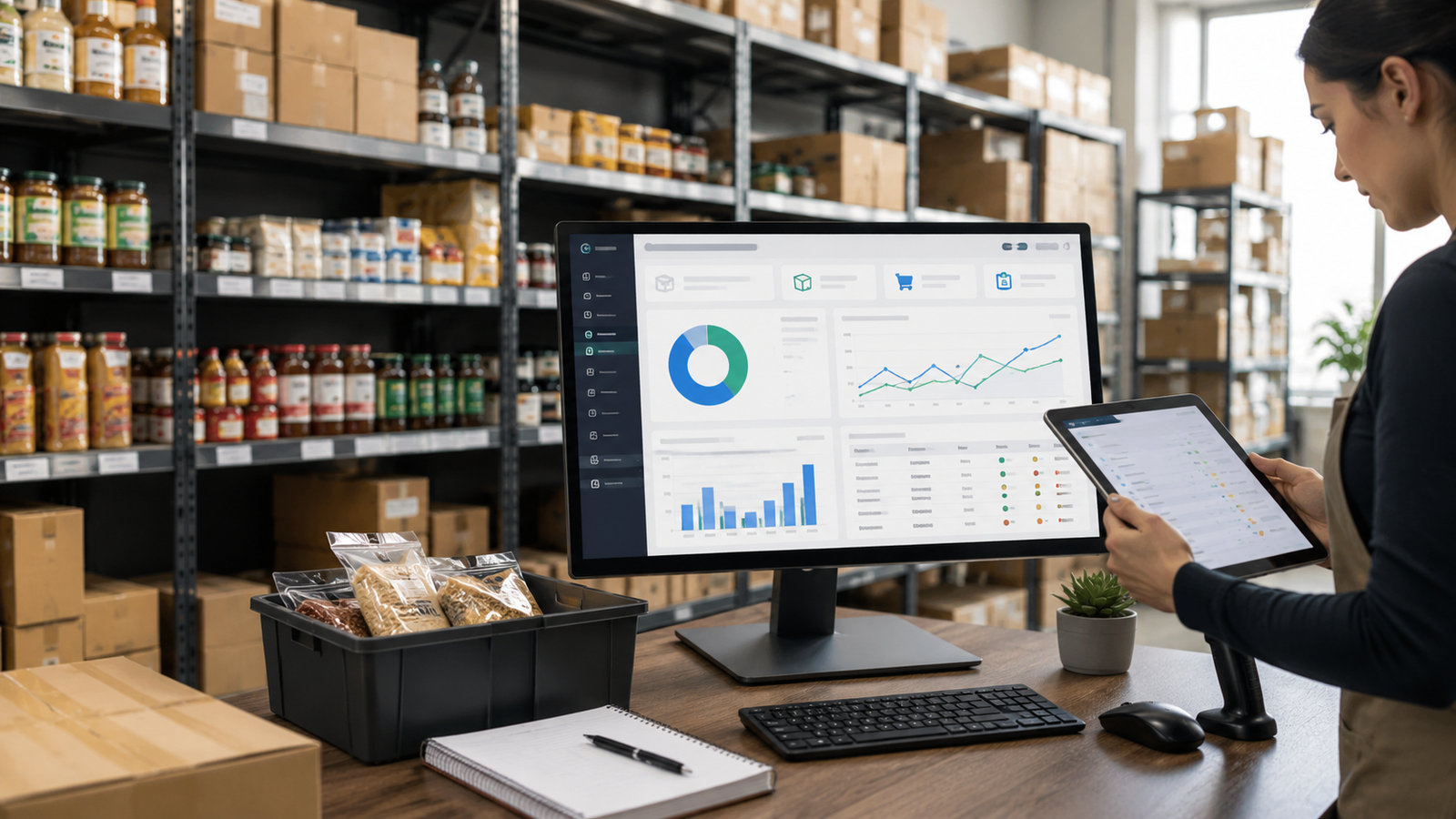
Real-time inventory tracking gives store owners a better way to manage daily operations. It helps them see what is available, what is running low, what needs restocking, and where money is getting stuck.
If your store still depends on registers, memory, or disconnected systems, the real question is not whether inventory mistakes are happening.
They probably are.
The question is: how much are they costing you?
Ready to stop guessing your stock?
Arenvera Inventory helps retail stores manage stock, billing, purchase orders, alerts, reports, and product-level insights from one connected platform built for real store operations.
Read More from Us

Leave a Reply